The Ultimate Pizza Restaurant Dining Checklist
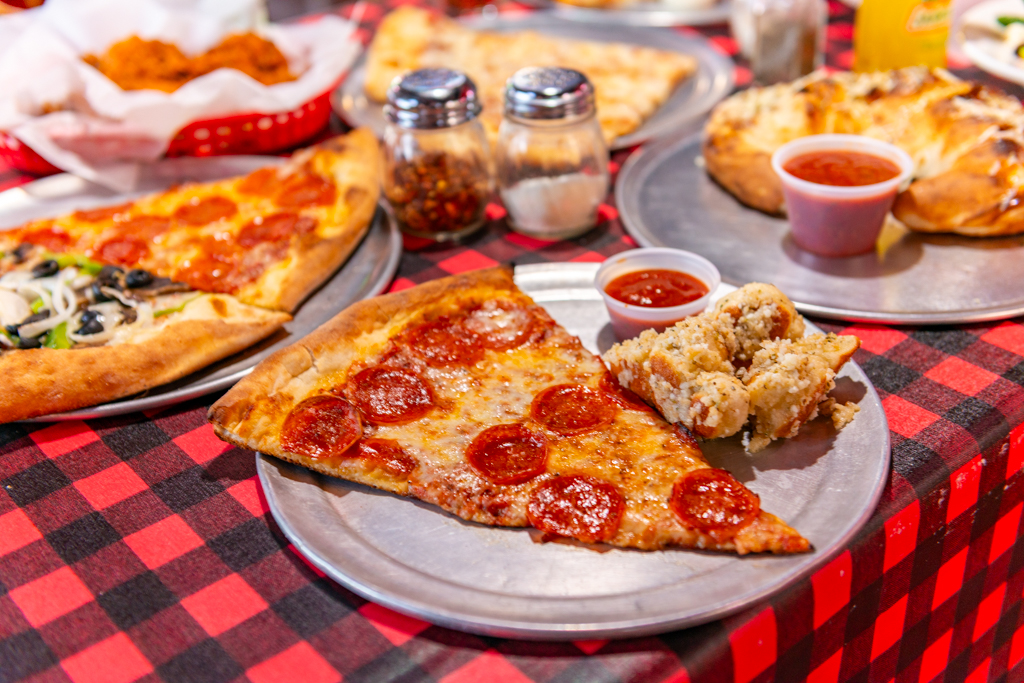
A good meal at a pizza restaurant can feel effortless. You walk in hungry, sit down, and twenty minutes later a hot pie lands on the table, fragrant with toasted flour, melted cheese, and the sweet edge of tomato. When it works, pizza seems simple. When it does not, the problems show up everywhere at once: a gummy crust, watery mozzarella, indifferent service, a dining room so loud you cannot hear your own table, or a menu that promises craft and delivers shortcuts.
That is why a real dining checklist matters. Not a fussy, joyless scorecard, and not the kind of list that turns dinner into an inspection. A practical checklist helps you notice the details that separate a dependable neighborhood favorite from a place that is trading on hype, décor, or social media photos. It also helps you choose the right restaurant for the kind of meal you actually want, because not every pizza restaurant is trying to do the same thing.
Some places are built for a fast weeknight dinner with kids and a pitcher of soda. Others are tuned for date night, with a tight wine list, restrained service, and a blistered Neapolitan pie that should be eaten the minute it hits the table. A sports bar that makes a sturdy tavern-style pizza can be excellent on its own terms, even if it would fail as a destination for delicate wood-fired pies. The smartest diners judge a restaurant against its own style first, then against the standards of that style.
Start before you walk in
Most disappointments can be avoided before you ever sit down. The menu tells you far more than many people realize. If a pizza restaurant offers six different cuisines, ninety toppings, burgers, pasta, seafood, tacos, and breakfast, that breadth usually comes at a price. A long menu is not automatically bad, but pizza rewards focus. Dough needs attention. Ovens need consistency. Timing matters. Restaurants that try to be everything often struggle with the fundamentals.
Look for clues of specialization. Does the menu describe the dough, the fermentation, or the baking style? Does it distinguish between New York, Neapolitan, Sicilian, Detroit, or tavern-style, or does it simply use those names as decoration? A place does not need poetic menu copy, but it should know what it is serving. If the restaurant claims a style, there should be evidence behind the claim.
Photos can help, though they need a skeptical eye. A proper Neapolitan pie should show some leopard spotting on the crust and a soft center. A New York slice should hold a fold without collapsing into soup. A Detroit pie should have caramelized cheese around the edges, not just a rectangular shape. If every online photo looks heavily filtered, or if the pizza appears pale, dry, or overloaded with toppings, trust that first reaction.
Timing and traffic matter too. The best version of any pizza usually comes out when the kitchen is in rhythm. Too early, and the dough may not be fully proofed for service. Too late, and a tired crew can rush the final orders. In many cities, the strongest window for a pizza restaurant is the middle of dinner service, when ovens are hot and the staff is fully engaged. Lunch can be excellent if the place does enough volume to keep turnover high. A nearly empty dining room at noon is not always a warning, but a quiet room at 7:30 p.m. On a Saturday deserves attention.
The room tells you what the kitchen values
The dining room sets expectations, but it also reveals discipline. Cleanliness is the obvious baseline. What matters more is the kind of cleanliness you see. Pizza restaurants generate flour dust, semolina, bits of cheese, and sauce splatter. A room can feel lively and still be well cared for. Look at the table edges, condiment bottles, menus, bathroom floors, and the area near the open kitchen or service station. Sloppiness in these zones often mirrors sloppiness in prep.
Noise is another overlooked detail. Pizza is communal, and a bit of volume is normal. But there is a point where a room becomes exhausting rather than energetic. Hard surfaces, loud music, and tightly packed tables can flatten the experience, especially if you plan to linger over multiple pies or split appetizers. Some of the most enjoyable pizza restaurants understand that comfort drives repeat business just as much as crust quality does. Good lighting, chairs that do not punish your back, and enough elbow room to share plates are not luxuries. They are part of hospitality.
Then there is smell. A serious pizza restaurant should smell alive: baked dough, tomato, garlic, char, maybe basil or sausage. If the first thing you notice is fryer oil, bleach, or stale grease, something is off. Smell does not replace taste, but it often gives you a fast read on whether the restaurant’s center of gravity is truly pizza.
Service should guide, not perform
Great pizza service is direct and useful. It does not need theatrical speeches. It should answer three basic questions cleanly: what style of pizza the restaurant does best, how many pies the table should order, and how long the kitchen is likely to take. Those details sound simple, yet they are where weak restaurants often stumble.
If you ask, “What is your best pizza?” a strong server usually answers with confidence and context. They might say the margherita shows off the dough best, or that the house sausage and onion pie is the local favorite, or that the white pizza shines only if you enjoy richer pies. A weak answer sounds generic or detached, as if the server is reading from memory rather than helping you choose.
Timing matters more with pizza than with many diners realize. A kitchen that sends appetizers late, then drops a pizza while those plates are still half-full, has mismanaged the table. The best pizza arrives when people are ready to eat it, because texture declines fast. Thin pies lose heat quickly. Wood-fired pizzas, especially, are not patient food. Ten minutes of conversation can turn a beautifully structured crust into something limp and forgettable. Good service understands this and paces the meal accordingly.
There is also a practical side. A server should know whether the 12-inch pie is realistic for one person, whether the large can feed three adults with salads, and whether the kitchen will split toppings on half the pizza without ruining the bake. These are not trivial details. They save guests from over-ordering, under-ordering, and blaming the food for a problem that started with poor guidance.
Read the dough before you read the toppings
People talk about toppings because they are easy to photograph and easy to sell. Experienced diners watch the dough first. Dough is the restaurant’s real signature. It reflects training, patience, storage, oven management, and restraint. You can hide mediocre sauce under spicy salami or hot honey for a while, but you cannot hide bad dough from anyone paying attention.
The crust should match the style. A New York slice needs structure, flexibility, and enough chew to feel substantial without fighting back. A Neapolitan crust should be tender and airy, often with a pronounced outer rim and a softer center. A tavern-style pie should be crisp and dry enough to support clean square cuts. A Detroit pie needs a light interior crumb and deeply browned edges where cheese meets pan.
Color matters. Pale crust usually signals underbaking, though some styles are naturally lighter. Excessive blackening can mean poor rotation or a distracted pizzaiolo rather than honest wood-fired character. Texture matters even more. The bottom should tell you whether the oven deck is being managed correctly. A crisp underside with a little char is one thing. A floury, raw, or wet bottom is another.
One of the fastest tests is the second slice. The first slice often benefits from excitement and heat. The second slice reveals whether the pizza has balance. If the center collapses, if grease pools across the cheese, or if the crust turns rubbery almost immediately, the pie was flawed from the start. Good dough holds its character for at least the first several minutes at the table.
Sauce, cheese, and toppings need proportion
Good pizza is proportion, not abundance. A common mistake in a pizza restaurant is confusing generosity with quality. More cheese is not always better. More toppings rarely improve texture. Too much sauce can steam the crust, and too little leaves the pie dry and flat. The best pizzas taste composed, not crowded.
Tomato sauce should taste like tomatoes first. It can be bright, sweet, savory, or lightly herbal depending on the style, but it should not disappear under salt, sugar, or oregano. On a margherita or plain cheese pie, sauce quality is impossible to fake. If the tomatoes taste metallic, dull, or heavily doctored, the restaurant is cutting corners where it should be most careful.
Cheese is where many otherwise solid places lose precision. Fresh mozzarella can release a lot of moisture if handled carelessly. Low-moisture mozzarella can turn oily if overapplied. Blends can work beautifully, especially on American styles, but they should melt into the pizza rather than sit on top like a blanket. Grease is not automatically a flaw, especially on pepperoni pizzas, but there is a difference between appetizing richness and a puddle that soaks the crust.
Toppings deserve the same judgment. House-made sausage should have real texture and seasoning, not the uniform softness of a bulk product. Vegetables should be cut with the bake in mind. Thick mushrooms can waterlog a pie. Raw onion can dominate unless balanced. Delicate greens belong on the pizza after baking in many cases, not incinerated in the oven. The best kitchens know this instinctively.
The checklist that actually matters at the table
If you want a quick way to judge a pizza restaurant during the meal, focus on a handful of details that reveal the whole operation:
- Does the crust match the style promised on the menu?
- Is the center properly baked, not raw, soggy, or collapsing?
- Do sauce, cheese, and toppings stay in balance from first bite to last?
- Does the staff pace the meal so the pizza arrives at the right moment?
- Would you order the same pie again without changing three things?
That final question is more useful than it sounds. If you are mentally rebuilding the pizza after every bite, the restaurant has not earned your trust. Strong restaurants may have a pie you personally like less than another, but they still make you understand why it belongs on the menu.
Drinks, sides, and dessert should support the meal
A pizza restaurant does not need an elaborate beverage program to succeed, but the drinks should make sense with the food. Cold beer is the obvious companion, and for good reason. Carbonation, bitterness, and chill help cut through cheese and fat. That said, too many places treat beer as an afterthought. A short, well-kept tap list often outperforms a sprawling one with tired lines and warm pours.
Wine can be excellent with pizza when the list is built with acidity in mind. Bright reds, uncomplicated sparkling wines, and certain rosés often work better than heavy, oaky bottles. If the menu includes white pies, mushroom pizzas, or spicy sausage, a thoughtful wine selection adds real range to the meal. Nonalcoholic options deserve attention too. Good iced tea, sparkling water, or a balanced house soda can be enough. A sticky, syrup-heavy fountain drink setup does not elevate anything.
Sides are revealing. A Caesar salad with cold, crisp romaine and assertive dressing suggests a kitchen that still cares outside the oven. Garlic knots should be fresh and tender, not stale dough revived with butter. Wings, if offered, should either be worth ordering or omitted altogether. Many pizza restaurants dilute their identity with side dishes that exist only to pad the check.
Dessert is optional, but it can tell you whether the restaurant understands how people finish a meal. A simple affogato, gelato, cannoli, or seasonal dessert often lands better than a giant brownie sundae dropped into the menu because someone thought every family restaurant needed one. Restraint reads as confidence.
Value is not the same as low price
Pizza can be one of the best-value restaurant meals, but pricing only makes sense in context. A thirty-dollar pie may be fair if the dough is fermented properly, the ingredients are excellent, the labor is skilled, and the dining experience is polished. A twelve-dollar pie can be overpriced if it is forgettable. The right question is not “Is it cheap?” but “Does the quality justify the bill?”
Portion size complicates this. Some pizza restaurants price by diameter, which tells only part of the story. A 16-inch pizza is dramatically larger than a 12-inch one in area, not just a bit larger. If the staff cannot explain the practical difference, first-time guests may misjudge the order. This is where service and value intersect. A restaurant that helps you order accurately feels more generous than one that quietly lets you overbuy.
Watch for hidden value too. Is the lunch special genuinely useful or built around the restaurant’s weakest slices? Are topping charges reasonable, or do they turn a simple custom pie into an expensive mistake? Does the restaurant use quality ingredients without making every substitution feel punitive? Fairness matters. Diners notice when a place charges premium prices while acting casual about execution.
The best pizza restaurant for one meal may be the wrong one for another
This is where experience sharpens judgment. A quiet date, a team lunch, a family birthday, and a solo slice at the bar all call for different strengths. Some pizza restaurants excel at dine-in service and produce average takeout. Others are the reverse. A wood-fired restaurant might create transcendent pies in-house but lose too much quality in the box during a twenty-minute drive home. A sturdier New York or https://raymonditbh549.lowescouponn.com/the-ultimate-pizza-restaurant-dining-checklist Sicilian pie may travel far better.
Families often need speed, noise tolerance, booth seating, and menu flexibility. Couples may care more about pacing, wine, and room tone. Large groups need a kitchen that can synchronize multiple pies without leaving half the table waiting. Solo diners benefit from good slice turnover, counter seating, and staff who treat a one-person ticket with the same seriousness as a four-top.
That is why the “best” pizza restaurant in a city is rarely a universal answer. The smartest diners keep several favorites for different purposes. One place for slices, one for special occasions, one for delivery, one for deep-dish cravings, one for the kind of old-school red-sauce comfort that never photographs particularly well but always satisfies. Taste is personal, but standards do not need to be vague.
When to forgive flaws, and when not to
Even strong restaurants have off nights. Dough can behave differently in humid weather. A new cook can mishandle a rush. An oven can run hot. If the room is full, the staff is honest, and the problem appears to be a single lapse rather than a pattern, a little grace is reasonable. Restaurants are live performance, not factory output.
What should not be forgiven are failures of care. Defensive service after an obvious mistake, dirty tables left untouched, a pizza sent out visibly underbaked and nobody acknowledging it, or a menu that overpromises style and quality without delivering either, those are signs of a deeper issue. Restaurants do not need to be perfect. They do need to be attentive.
A useful personal rule is simple: if the place misses, did it still make you feel looked after? People will forgive a delayed pie if the staff communicates and the food lands excellent. They will return after a minor kitchen error if someone fixes it quickly and with respect. Hospitality has a long memory, both good and bad.
A practical way to choose wisely every time
If you want the shortest possible path to a better meal at a pizza restaurant, use this sequence:
- Match the restaurant to the kind of meal you want.
- Check whether the menu shows focus and style awareness.
- Judge the room for cleanliness, comfort, and sensible energy.
- Let the dough, not the toppings, be your main test.
- Decide whether the service improves the meal or merely processes it.
That sequence works because it keeps you from being distracted by marketing. You are not there to admire a slogan about heritage flour or a wall of neon signs. You are there to eat well, spend fairly, and leave thinking the place understood its craft.
At its best, pizza dining is generous, relaxed, and deeply satisfying. It can be cheap or expensive, classic or modern, fast or lingering. What never changes is the core standard: a pizza restaurant should know exactly what kind of pizza it wants to make, then execute it with consistency, clarity, and care. Once you know how to read the signs, the difference becomes obvious by the time the first slice hits the plate.